Solid waste in Huaquillas: The impact of anthropocentric thinking on the rights of nature
Abstract
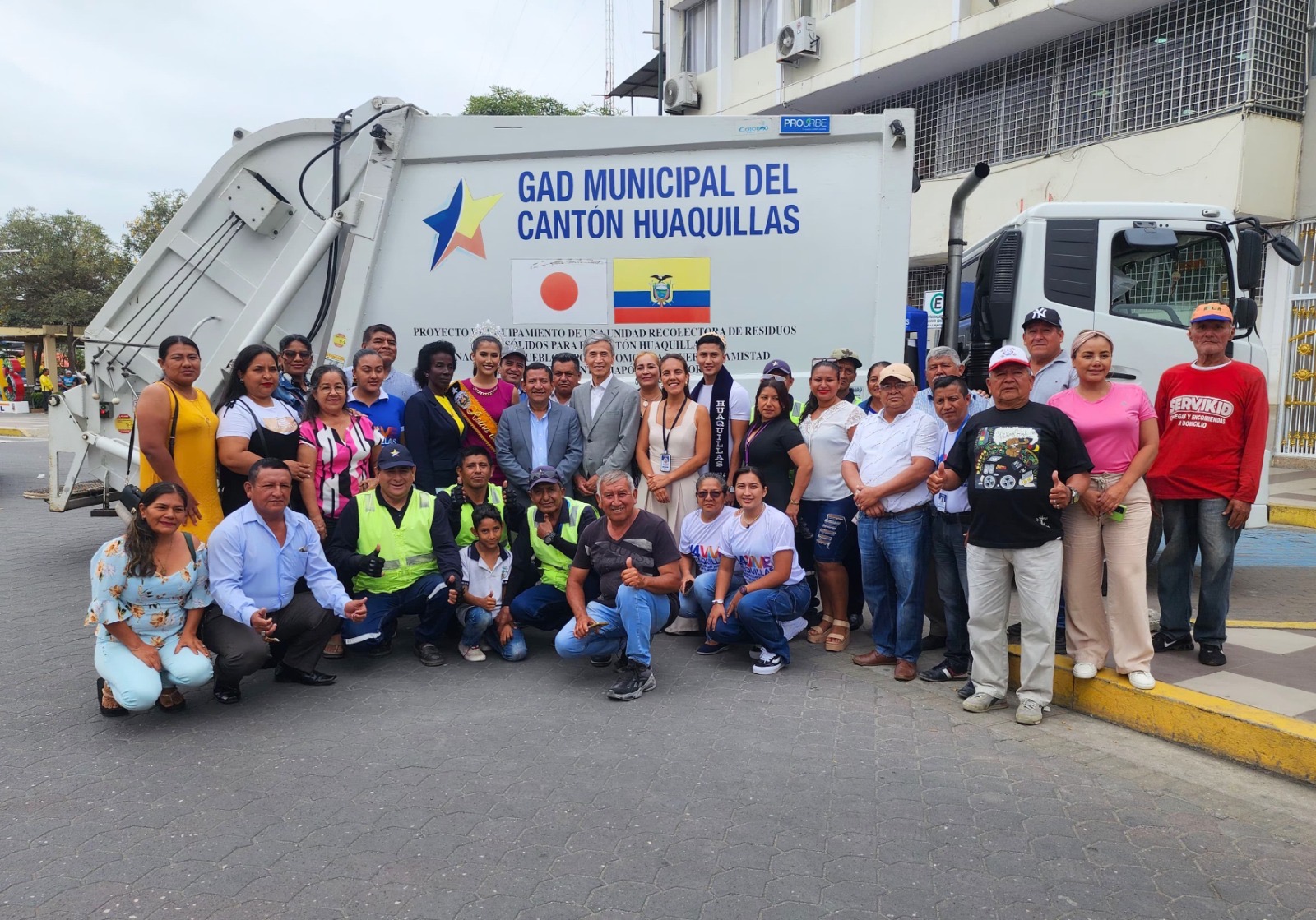
Solid waste management is a serious problem that has negative consequences for both the environment and human health. It is estimated that 2 million tons of solid waste are produced worldwide and its proper management is a major problem facing the population. In Ecuador, 117 of the country's municipalities adequately manage this waste; however, other municipalities, such as Huaquillas, have poor waste management. There is evidence of garbage on the riverbanks and in the canal that divides the border with Peru. This causes problems not only for the image of the area, but also negatively affects both the ecosystems and the population. When comparing this waste management with that used by countries in Europe and Asia, there is an abysmal difference. This is because these countries have a commitment on the part of the inhabitants and management strategies that guarantee a lower impact on the ecosystem and human health.
Downloads
Downloads
Published
How to Cite
Issue
Section
License

This work is licensed under a Creative Commons Attribution-NonCommercial-ShareAlike 4.0 International License.
The Journal declines any responsibility for possible conflicts derived from the authorship of the works published in it.
The originals of the journal Acordes, published in electronic version, are property of the Faculty of Economics and Administrative Sciences of the University of Cuenca, being necessary to cite the source in any partial or total reproduction.
Unless otherwise indicated, all contents of the electronic edition are distributed under a Creative Commons Attribution-NonCommercial-ShareAlike 4.0 International License.